Slope-side water pressure
Runoff and subsurface water can concentrate on the uphill side of a foundation or retaining structure.
Serving ZIP 06830 and nearby Fairfield County communities
Greenwich foundation conditions can vary across a single property because of slope, additions, retaining walls, and drainage patterns. Crack repair should follow a whole-site review instead of treating the basement wall in isolation.
Greenwich homes often combine brick, natural stone, chimneys, terraces, and below-grade walls across large or sloped sites. Exposure varies sharply between wooded inland lots and properties closer to Long Island Sound.
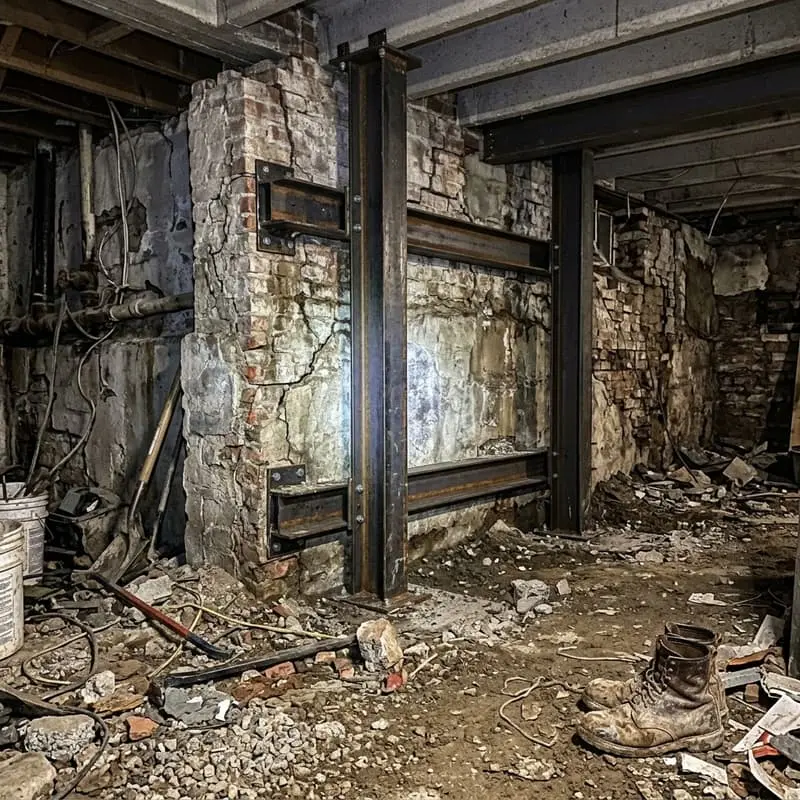
Foundation crack, wall movement, settlement, and drainage assessment focused on identifying the cause before selecting a repair method.
Runoff and subsurface water can concentrate on the uphill side of a foundation or retaining structure.
Different foundation ages and depths can produce movement at the joint between original construction and later additions.
Nearby walls, terraces, and drainage systems can affect grade and water loading around the house foundation.
Material matching and water management should be planned together so a visually correct repair does not trap moisture behind dense new mortar or sealant.
Record crack direction, width, displacement, and visible moisture.
Review grading, gutters, downspouts, window wells, and nearby hardscape.
Check interior walls, floors, doors, and framing for related movement.
Determine whether monitoring, sealing, stabilization, or engineering is appropriate.
The final scope depends on what the inspection finds. Common options for this service include:
No. The cause, amount of movement, current activity, soil and drainage conditions, and structural load all matter. Monitoring or localized work may be appropriate in some cases.
Yes. When water and soil conditions contribute to movement or leakage, gutters, grading, surface drains, or foundation drainage may be part of the repair plan.