Natural-stone joints
Joint depth, mortar hardness, and tooling affect both appearance and how water leaves irregular stonework.
Serving ZIP 06830 and nearby Fairfield County communities
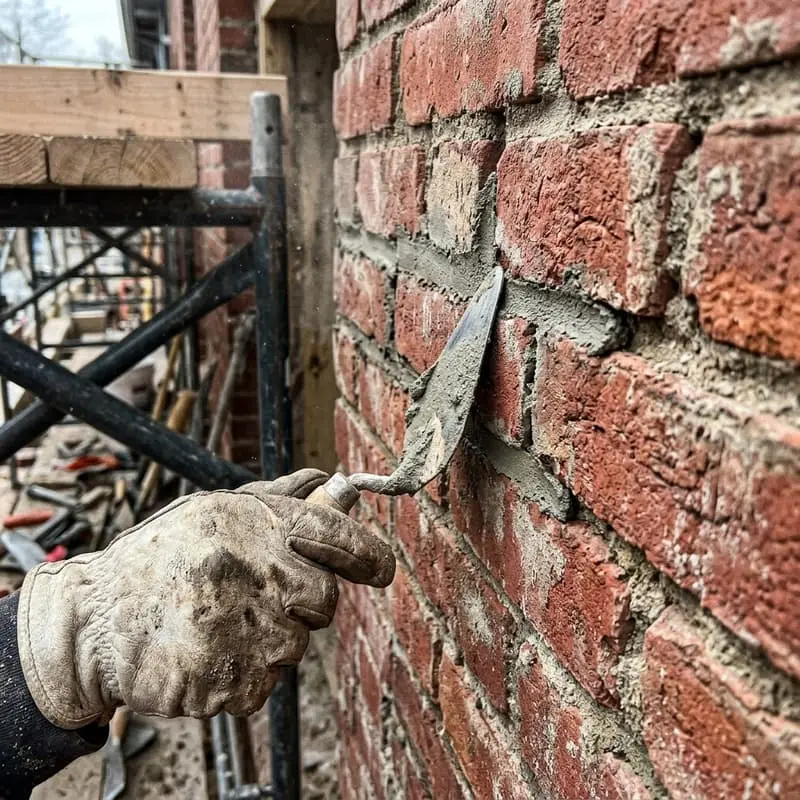
Masonry work in Greenwich often involves matching brick, natural stone, mortar color, and joint profile while correcting the water detail that caused deterioration. Visual compatibility and moisture performance need equal weight.
Greenwich homes often combine brick, natural stone, chimneys, terraces, and below-grade walls across large or sloped sites. Exposure varies sharply between wooded inland lots and properties closer to Long Island Sound.
Brick, stone, chimney, step, wall, and mortar assessment with repair recommendations based on moisture exposure and material compatibility.
Joint depth, mortar hardness, and tooling affect both appearance and how water leaves irregular stonework.
Movement and staining can originate in drainage, bedding, or failed edge details rather than the visible surface joint alone.
Crown, cap, flashing, shoulder, and upper-wall joints should be inspected before isolated repointing is specified.
Material matching and water management should be planned together so a visually correct repair does not trap moisture behind dense new mortar or sealant.
Map open joints, spalled units, stair-step cracks, and previous patches.
Check caps, flashing, grade, and horizontal surfaces for water entry.
Compare existing brick, stone, and mortar before specifying replacement materials.
Separate localized repointing from movement that needs structural investigation.
The final scope depends on what the inspection finds. Common options for this service include:
A close match requires checking color, aggregate, hardness, joint width, and tooling. Small cured samples are more reliable than judging wet mortar.
A coating cannot correct water entering through caps, flashing, grade, or failed joints, and some sealers can slow drying. The moisture route should be found before resealing.